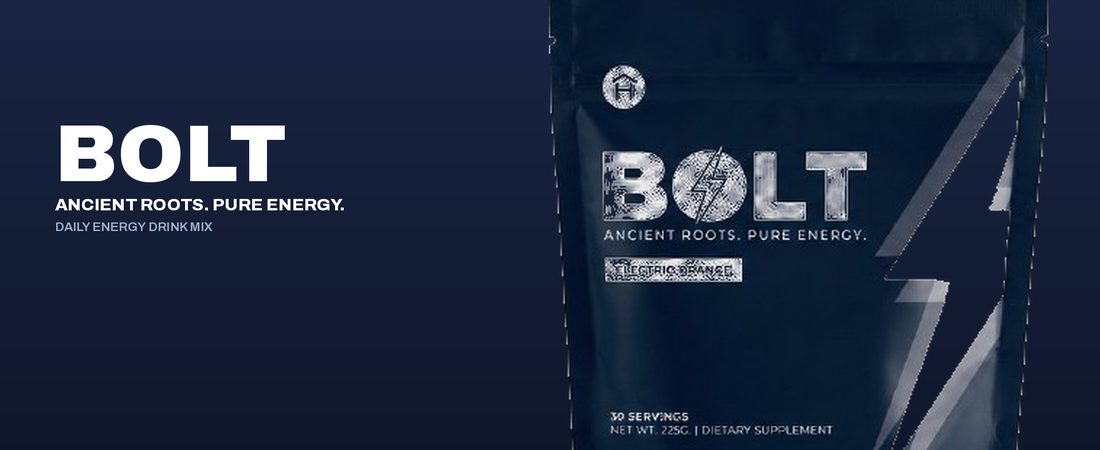
Night shift flips the usual energy advice upside down. Your “morning” might be 6 p.m., your low point lands around 3 or 4 a.m., and your bedtime comes after sunrise. If you searched energy drink for night shift, you probably already use caffeine to get through. The real question is how to time it so it helps during the shift and does not wreck the day sleep you need afterward. This guide covers that timing, the nap trick federal fatigue researchers recommend, and where a measured BOLT™ scoop fits.
BOLT™ Energy content here is operated by All In Enterprises, LLC, independent HealthyHome distributors. BOLT™ is HealthyHome’s energy drink mix. HealthyHome owns and fulfills the product. We do not. This is product and wellness education, not medical advice. We may earn a commission when you shop or join through our links.
Disambiguation: This hub is about HealthyHome’s BOLT energy drink mix, not Bolt24, Blue Bolt or other similarly named drinks.
The short answer
Have your caffeine near the start of the shift, not the end. NIOSH, the federal workplace safety institute, notes in its shift work training on caffeine that caffeine takes about 30 minutes to kick in and has a half-life of 5 to 6 hours, longer in some people. A drink at 5 a.m. can still be working against you when you try to sleep at 9 a.m. So front-load it, then stop several hours before you clock out.
Why night shift is different
Day workers drink coffee when their body clock is already pushing them awake. Night workers drink it while their body clock is pushing them toward sleep. That makes caffeine more useful on a night shift, and also easier to overdo. Three things change:
- The low point is predictable. Most people hit their hardest stretch in the early morning hours. That is when mistakes and drowsy drives home happen.
- Sleep happens in daylight. Day sleep is lighter and shorter for most people, so anything that cuts into it hits harder.
- Caffeine stacks quietly. A pre-shift coffee, a vending-machine can at 2 a.m. and a “one more” on the drive home add up fast.
Our general guide to the best time to drink an energy drink touches on late shifts in one sample schedule. This page goes deeper on the full night-shift routine.
A sample night-shift caffeine schedule
Here is how this could look for a 7 p.m. to 7 a.m. shift with sleep around 8:30 a.m. Shift it to match your own hours.
- Afternoon, before your first night: a longer nap. NIOSH’s guidance on napping before night shifts describes studies where naps of about 1.5 to 3 hours before the shift improved alertness later that night.
- 6:30 to 7:30 p.m.: your main caffeine, such as one labeled BOLT serving, with a meal or snack.
- Around midnight to 1 a.m.: if you need a second, smaller dose, this is the window. Keep it well inside your daily total.
- After about 2 to 3 a.m.: switch to water. Use movement, bright work lighting, a protein snack or a short break for the early-morning dip instead of more caffeine.
- Drive home: if you feel drowsy, do not push through. Pull over, nap, or get a ride.
- 8:30 a.m.: dark, cool, quiet room, phone away, blackout curtains if you can.
If you sleep at a different time, the rule stays the same: count back roughly 6 or more hours from your planned sleep and treat that as your caffeine cutoff. Sensitive people need longer.
The caffeine nap
If your workplace allows a break nap, there is a useful trick. NIOSH notes that you can get the benefits of both caffeine and a short nap by having caffeine and then immediately taking a short nap of about 30 minutes or less. Because caffeine takes around 30 minutes to reach full effect, it starts working right as you wake up, which can cut the grogginess that follows a nap. Keep the nap short, give yourself a few minutes to fully wake before safety-critical tasks, and do not use this trick late in the shift.
How much is too much?
The FDA’s consumer guide, how much caffeine is too much, cites about 400 milligrams a day as an amount not generally associated with negative effects for healthy adults, while noting that people vary. Education on this hub cites about 170 mg of naturally sourced caffeine per labeled BOLT serving (confirm your pouch). That leaves room for a second smaller source, but not for a scoop plus three cans plus coffee. The math is laid out on our BOLT caffeine content page.
Skip caffeinated products or check with a clinician first if you are under 18, pregnant or breastfeeding, have a heart condition or high blood pressure, deal with anxiety, or take medications that interact with stimulants.
Why a measured scoop works well on nights
- You know the number. One labeled serving is a milligram count you can plan around, unlike a mystery drip-coffee mug.
- It travels. A pouch and a shaker bottle fit in a locker. Our how to mix energy drink powder guide covers ratios.
- Half servings are easy. A smaller second scoop at midnight is simpler than half a can.
- Supporting ingredients. BOLT’s formula pairs caffeine with L-theanine, electrolytes, beta-alanine and antioxidants discussed on our ingredients page. Read the live label for the current panel.
None of this replaces sleep. If your shift leaves you crashing every morning, our post on energy drinks without the crash covers the bigger picture.
Shop or Join (All In Enterprises, LLC)
HealthyHome handles payment, shipping, and fulfillment. All In Enterprises, LLC are independent distributors. See how to buy BOLT for customer vs member options.
Shop BOLT on HealthyHome · Join & Get Member Pricing
Shop for customer pricing, including subscribe options where HealthyHome offers them. Join for member pricing and the optional ability to share; earnings are never guaranteed.
FAQ: energy drinks on night shift
When should I drink an energy drink on night shift?
Near the start of your shift. Caffeine takes about 30 minutes to work and lingers for hours, so front-loading it helps during the shift and protects your day sleep.
What time should I stop caffeine before day sleep?
Aim for roughly 6 or more hours before you plan to sleep. Caffeine’s half-life is about 5 to 6 hours and longer in some people.
Is it bad to drink an energy drink at the end of a night shift?
It often backfires. Late caffeine can make it hard to fall or stay asleep after your shift, which leaves you more tired the next night.
How much caffeine is in BOLT?
Education on this hub cites about 170 mg of naturally sourced caffeine per labeled serving. Confirm the current pouch and count it with any coffee, tea or other drinks.
Does a caffeine nap really work?
NIOSH describes taking caffeine and then immediately taking a short nap (about 30 minutes or less) as a way to combine both benefits and reduce post-nap grogginess. Only nap where it is safe and allowed.
boltenergy.shop is operated by All In Enterprises, LLC, independent HealthyHome distributors. BOLT is a HealthyHome product. These statements have not been evaluated by the Food and Drug Administration. This content is for product and wellness education only. It is not intended to diagnose, treat, cure, or prevent any disease. Always read the label and talk with your healthcare provider about products that may interact with your care plan.
Follow BOLT on Facebook for new guides and updates.