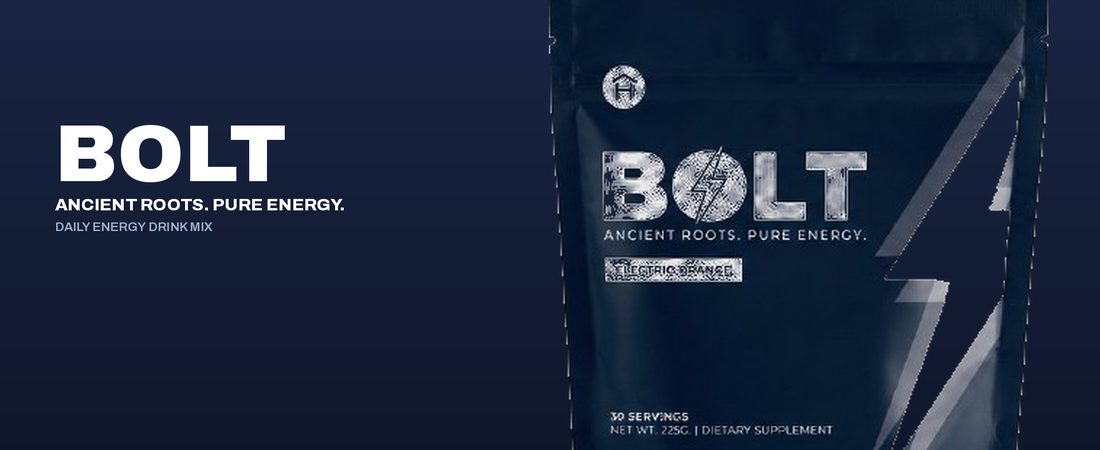
People who search is energy drink powder bad for you usually have a tub on the counter and a nagging doubt. Fair enough. Energy drinks have a reputation, and a powder you scoop yourself can feel like a gray area. The honest answer is that a powder is neither good nor bad by default. What matters is how much caffeine it delivers, what else is in it, how much of it you use, and who is drinking it. This page walks through each of those, then shows where BOLT™ fits.
BOLT™ Energy content here is operated by All In Enterprises, LLC, independent HealthyHome distributors. BOLT™ is HealthyHome’s energy drink mix. HealthyHome owns and fulfills the product. We do not. This is product and wellness education, not medical advice. We may earn a commission when you shop or join through our links.
Disambiguation: This hub is about HealthyHome’s BOLT energy drink mix, not Bolt24, Blue Bolt or other similarly named drinks.
The short answer
For most healthy adults, an energy drink powder used as labeled is not inherently bad for you. The problems people run into almost always come from four things: too much total caffeine, a lot of added sugar, caffeine too late in the day, and products used by people who should not be using them. A label you can read and a scoop you can measure actually make those risks easier to manage than a can you finish because it is open.
Risk 1: total caffeine, not just the scoop
Caffeine is the main active ingredient in nearly every energy powder. The FDA’s consumer update on how much caffeine is too much says that for healthy adults, 400 milligrams a day is an amount not generally associated with negative effects, while noting that people vary a lot in sensitivity. It also warns that pure and highly concentrated caffeine powders sold in bulk are a different, dangerous product, because a tiny measuring error can mean a toxic dose. A pre-dosed energy drink mix is not that, but the lesson carries over: measure, don’t eyeball.
Education on this hub cites about 170 mg of naturally sourced caffeine per labeled BOLT serving. Our BOLT caffeine content page goes deeper. Add your coffee, tea, soda and pre-workout to that number. Two scoops plus two coffees is a very different day from one scoop alone.
Risk 2: sugar and what replaces it
Many ready-to-drink energy drinks carry a large dose of added sugar. The FDA’s guide to added sugars on the Nutrition Facts label explains how to read that line and the daily value behind it. Powders vary widely: some are sugar-heavy, some use non-nutritive sweeteners, some use neither. None of these is automatically “bad,” but you should know which one you are drinking every day. Our sugar-free energy drink powder page covers how BOLT’s product story compares. The pouch panel is the final word.
Risk 3: sleep and the afternoon crash
Caffeine lingers for hours. A scoop at 4 p.m. can still be working at bedtime, and poor sleep makes you reach for more caffeine the next day. That loop, not the powder itself, is what most people mean when they say an energy drink “wrecks” them. See the best time to drink an energy drink and energy drink without the crash for practical timing.
Risk 4: who should skip it or ask first
- Children and teens under 18.
- People who are pregnant, trying to conceive or breastfeeding.
- Anyone with a heart rhythm condition, high blood pressure, anxiety disorder or trouble sleeping.
- Anyone taking medication that interacts with caffeine or stimulants.
- Anyone who has been told to limit caffeine by their clinician.
If you are in one of these groups, talk with your healthcare provider before using any caffeinated product, BOLT included. And don’t mix energy drinks with alcohol.
A five-point label check before you scoop
- Caffeine in milligrams. A number you can count against your day, not a vague “energy blend.”
- Serving size. Is one scoop one serving? Some tubs list half-scoops.
- Added sugars and sweeteners. Know what you are getting daily.
- Stacked stimulants. Guarana, green tea extract and yerba mate also contribute caffeine. They should be reflected in the total.
- Who makes it and who sells it. A clear company name and full ingredient list beat a mystery tub from an unknown seller.
Where BOLT fits
BOLT is built as a daily scoop with a labeled caffeine amount from natural sources such as guarana, paired with L-theanine for calmer focus, electrolytes (magnesium, potassium and sea salt), and antioxidant and digestive-support botanicals, with no artificial sugars or flavors in its product story. The BOLT ingredients page explains each system, and how to mix energy drink powder covers getting a smooth glass. Guarana is itself a caffeine source, so check on the pouch that the caffeine figure covers it, and don’t add separate caffeine pills on top.
None of that makes BOLT a health product that fixes fatigue. It is a caffeinated drink mix. Used as labeled, at a sensible time of day, by an adult it suits, it is a measured way to get a lift.
Shop or Join (All In Enterprises, LLC)
HealthyHome handles payment, shipping and fulfillment. All In Enterprises, LLC are independent distributors.
Shop BOLT on HealthyHome · Join & Get Member Pricing
Shop for customer pricing. Join for member pricing and the optional ability to share; earnings are never guaranteed.
FAQ: is energy drink powder bad for you?
Is energy drink powder bad for you?
Not inherently. For most healthy adults, a powder used as labeled is fine. The risks come from too much total caffeine, lots of added sugar, late-day use and use by people who should avoid caffeine.
Are energy drink mixes safer than canned energy drinks?
Not automatically. A mix can make portion control easier because you measure each serving, but you still need to read caffeine, sugar and serving size on both.
How much caffeine is too much in a day?
The FDA says 400 mg a day is generally not associated with negative effects in healthy adults, but sensitivity varies. Count every source, including coffee, tea and soda.
What are common side effects of energy drink powder?
Mostly caffeine effects: jitters, a racing heart, upset stomach, anxiety and poor sleep, especially at high doses or late in the day. Stop and talk to a clinician if you notice any of these.
Who should not use energy drink powder?
Children and teens, people who are pregnant or breastfeeding, and anyone with heart conditions, high blood pressure, anxiety or caffeine-interacting medications should skip it or ask a clinician first.
boltenergy.shop is operated by All In Enterprises, LLC, independent HealthyHome distributors. BOLT is a HealthyHome product. These statements have not been evaluated by the Food and Drug Administration. This content is for product and wellness education only. It is not intended to diagnose, treat, cure, or prevent any disease. Always read the label and talk with your healthcare provider about products that may interact with your care plan.
Follow BOLT on Facebook for new guides and updates.