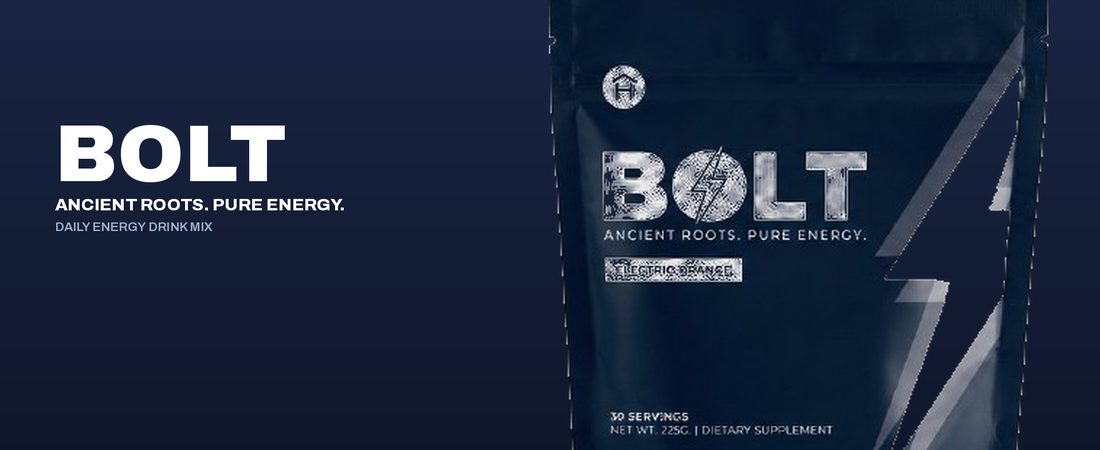
It is 9 p.m., the exam is at 8 a.m., and the chapter you meant to finish on Sunday is still open on your laptop. Reaching for an energy drink feels like the obvious move. If you searched energy drink for studying, you probably want to know whether it actually helps you learn, how much is too much, and when to stop so you can still sleep. This guide covers what caffeine research says about focus and memory, a simple timing plan for study sessions, who should skip energy drinks altogether, and how a measured BOLT™ scoop fits for adult learners.
BOLT™ Energy content here is operated by All In Enterprises, LLC, independent HealthyHome distributors. BOLT™ is HealthyHome’s energy drink mix. HealthyHome owns and fulfills the product. We do not. This is product and wellness education, not medical advice. We may earn a commission when you shop or join through our links.
Disambiguation: This hub is about HealthyHome’s BOLT energy drink mix, not Bolt24, Blue Bolt or other similarly named drinks.
The short answer
For healthy adults, a moderate amount of caffeine can help you feel more alert and stay on task during a study session. It does not make you smarter, and it cannot replace sleep, which is when your brain locks in much of what you learned. The best way to use an energy drink for studying is one measured serving, early in the session, well before bedtime, with your total caffeine for the day kept within the FDA’s general guide of about 400 mg for healthy adults. Children and teens should skip energy drinks.
What caffeine can and cannot do for studying
What it can do
Caffeine blocks adenosine, a chemical that builds up while you are awake and makes you feel sleepy. That is why a serving can make a dull reading session feel more manageable and help you keep going through a set of practice problems.
There is also some interesting memory research. In a small study published in Nature Neuroscience, people who took 200 mg of caffeine right after looking at a set of images were better at telling similar images apart a day later than people who took a placebo. The researchers concluded that caffeine enhanced memory consolidation in that task. You can read the study abstract on PubMed. It is one lab task with a few dozen people, so treat it as a promising finding, not a study hack.
What it cannot do
Caffeine cannot give you understanding you did not build. It also has a ceiling. In the same study, the benefit followed an inverted U-shaped curve, which means more was not always better. Past a moderate amount, many people get jittery, anxious or scattered, which is the opposite of what you want before a test.
Sleep is still the best study tool
The National Heart, Lung, and Blood Institute explains on its why sleep is important page that sleep helps your brain work properly, including learning, paying attention and making decisions. An all-nighter fueled by energy drinks trades the step that stores what you studied for a few extra hours of tired reading.
Caffeine also lasts longer than the buzz. Our timeline on how long an energy drink lasts shows why a late-evening serving can still be in your system at bedtime, even when you no longer feel it.
A simple study-session plan
- Plan the session first. Decide what you will cover and set a stopping time.
- Have one serving at the start. Caffeine usually takes 15 to 45 minutes to kick in, so drink it as you open your notes, not halfway through.
- Work in focused blocks. Study for 25 to 50 minutes, then take a short break to stand, stretch and drink some water.
- Stop caffeine early. Aim for at least six hours between your last serving and bedtime. Our guide to the best time to drink an energy drink goes into more detail.
- Protect the night before the exam. A good night’s sleep usually helps more than a late second serving.
How much is too much?
The FDA’s consumer guide Spilling the Beans says 400 mg a day is an amount not generally associated with negative effects in healthy adults, while noting that people vary in how sensitive they are. The FDA lists signs of too much caffeine, including a fast heart rate, jitters, anxiety, trouble sleeping, an upset stomach and headaches. Count every source: coffee, tea, soda, pre-workouts and energy drinks all add up during a long week of studying.
Education on this hub cites about 170 mg of naturally sourced caffeine per labeled BOLT serving. Always confirm the amount on the pouch you receive. One serving leaves room for a cup of tea or a small coffee earlier in the day. Two servings, about 340 mg, leave very little room for anything else. Our guide on how many energy drinks a day breaks the math down.
Who should skip energy drinks for studying
- High school students and younger. The FDA notes that medical experts, including the American Academy of Pediatrics, advise against energy drinks for children and teens. The academy’s clinical report on sports and energy drinks for children and adolescents explains why.
- People who are pregnant, trying to conceive or breastfeeding. Talk with your healthcare provider about caffeine.
- People sensitive to caffeine, or anyone who feels anxious, shaky or unable to sleep after it.
- People on certain medications or with heart or blood pressure concerns. Ask your clinician before using any stimulant.
Where BOLT fits for adult learners
BOLT is a powdered energy drink mix you stir into water. That makes it easy to measure one serving, and you can mix it lighter if you want less flavor. For college students, adult learners, people studying for a certification after work or anyone with a long reading session ahead, one measured scoop at the start of the session is the simple habit. See the BOLT ingredients page for what is in the formula, and how to mix energy drink powder for mixing tips. If you are worried about an afternoon slump, our guide to an energy drink without a crash covers food, water and timing.
FAQ: energy drinks for studying
Is it good to drink an energy drink while studying?
For healthy adults, one moderate serving can help you feel more alert and stay on task. It does not replace sleep or real understanding, and more is not better. Keep total caffeine within about 400 mg a day and stop well before bedtime.
When should I drink an energy drink before studying?
Drink it at the start of your session, since caffeine usually takes 15 to 45 minutes to kick in. Aim for at least six hours between your last serving and bedtime.
Does caffeine help memory?
A small study in Nature Neuroscience found that 200 mg of caffeine taken right after studying images improved one type of memory a day later. It is an early finding from a single lab task, and sleep remains the most important step for memory.
Should teens use energy drinks to study?
No. The FDA notes that medical experts, including the American Academy of Pediatrics, advise against energy drinks for children and teens.
How much caffeine is in BOLT?
Education on this hub cites about 170 mg of naturally sourced caffeine per labeled serving. Confirm the current pouch and count it with any coffee, tea or other caffeinated drinks.
Shop or Join (All In Enterprises, LLC)
HealthyHome handles payment, shipping, and fulfillment. All In Enterprises, LLC are independent distributors. Learn more about why BOLT, and see how to buy BOLT for customer vs member options.
Shop BOLT on HealthyHome · Join & Get Member Pricing
Shop for customer pricing, including subscribe options where HealthyHome offers them. Join for member pricing and the optional ability to share; earnings are never guaranteed.
boltenergy.shop is operated by All In Enterprises, LLC, independent HealthyHome distributors. BOLT is a HealthyHome product. These statements have not been evaluated by the Food and Drug Administration. This content is for product and wellness education only. It is not intended to diagnose, treat, cure, or prevent any disease. Always read the label and talk with your healthcare provider about products that may interact with your care plan.
Follow BOLT on Facebook for new guides and updates.