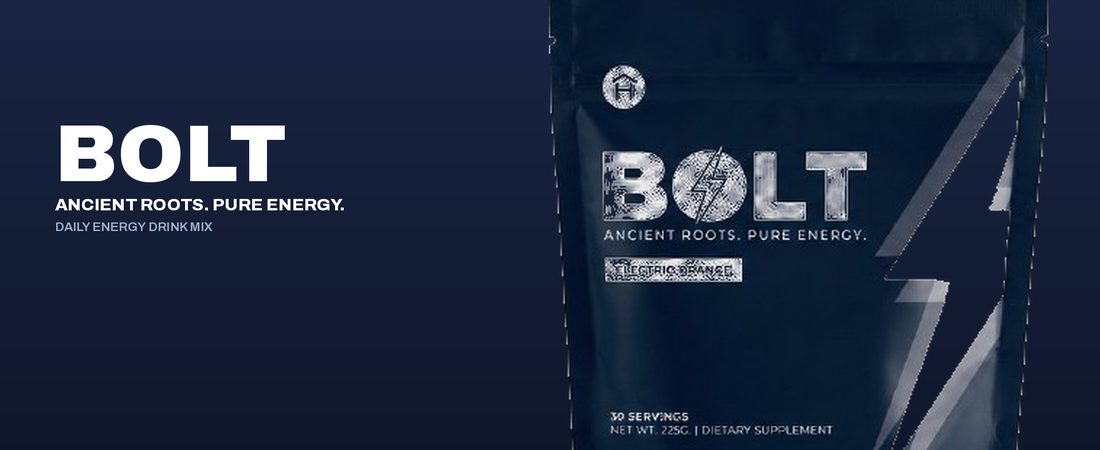
You drink an energy drink at 2 p.m., feel sharp by 2:30, and then wonder at 11 p.m. why you are still staring at the ceiling. If you searched how long does an energy drink last, the answer has two parts: how long you feel it, and how long the caffeine actually stays in your system. They are not the same, and the gap between them is where most sleep problems start. This guide walks through the timeline hour by hour, the factors that stretch or shorten it, and how a measured BOLT™ scoop fits.
BOLT™ Energy content here is operated by All In Enterprises, LLC, independent HealthyHome distributors. BOLT™ is HealthyHome’s energy drink mix. HealthyHome owns and fulfills the product. We do not. This is product and wellness education, not medical advice. We may earn a commission when you shop or join through our links.
Disambiguation: This hub is about HealthyHome’s BOLT energy drink mix, not Bolt24, Blue Bolt or other similarly named drinks.
The short answer
For most healthy adults, the noticeable lift from an energy drink lasts about four to six hours. MedlinePlus, the National Library of Medicine’s consumer health site, says in its caffeine overview that caffeine reaches its peak level in your blood within about an hour and that you may continue to feel its effects for four to six hours. But caffeine keeps working quietly after the buzz fades. A meaningful amount can still be in your body eight to ten hours later, which is why an afternoon drink can still cost you sleep.
The energy drink timeline, hour by hour
- 0 to 15 minutes: caffeine starts to be absorbed from your stomach and small intestine. Some people notice a small lift quickly, partly from the ritual and any flavor or cold water.
- 30 to 60 minutes: blood levels climb toward their peak. This is usually when focus and alertness feel strongest.
- 1 to 4 hours: the plateau. You feel steady, and this is the most useful window for work, study or a workout.
- 4 to 6 hours: the felt effect starts to fade for most people. Roughly half the caffeine may be cleared around this time, though this varies a lot from person to person.
- 6 to 10+ hours: you probably do not feel it anymore, but the remaining caffeine can still make it harder to fall asleep or sleep deeply.
Why “feeling it” and “having it in your system” are different
Caffeine works mainly by blocking adenosine, a chemical that builds up while you are awake and makes you feel sleepy. While caffeine occupies those receptors, the sleepy signal is muffled. As caffeine levels drop, you notice the lift fading long before the last of it is gone. That lingering amount is enough to delay sleep or make it lighter, even if you feel ready for bed.
A sleep study in the Journal of Clinical Sleep Medicine tested 400 mg of caffeine taken at bedtime, three hours before bed and six hours before bed. All three disrupted sleep compared with a placebo, and even the six-hour dose cut total sleep time by about an hour as measured by a sleep monitor. The authors concluded that people should avoid substantial caffeine for at least six hours before bed. The full study is free on PubMed Central.
What makes an energy drink last longer or shorter
- Dose. More caffeine lasts longer. Two drinks are not just a stronger lift, they are a longer tail.
- Your genes and liver. Caffeine is broken down in the liver, and some people simply clear it faster or slower than others.
- Pregnancy and some medications. Pregnancy, some oral contraceptives and certain other medications can slow caffeine clearance. The FDA notes in how much caffeine is too much that conditions and medications can make people more sensitive, and recommends talking to a health care provider if you are pregnant, trying to become pregnant or breastfeeding.
- Smoking. Smokers tend to clear caffeine faster, so the lift may feel shorter.
- Food. A meal can slow absorption a little, which may soften the peak. See drinking energy drinks on an empty stomach for more.
Does a powder last differently from a can?
Not really. Caffeine is caffeine, and the timeline is driven mostly by how much you take and how your body clears it, not by whether it came from a can, a coffee cup or a scoop of powder. What a measured powder changes is control. One labeled serving is a known number you can plan around. Education on this hub cites about 170 mg of naturally sourced caffeine per labeled BOLT serving (confirm your pouch), and the full breakdown is on our BOLT caffeine content page. BOLT also pairs caffeine with L-theanine, which our post on energy drinks with L-theanine explains. Many people find that combination feels smoother, though it does not make the caffeine leave your body faster.
How to make the timeline work for you
- Pick a cutoff time. Count back at least six hours from your usual bedtime. If you sleep at 10:30 p.m., your last caffeine is around 4:30 p.m. or earlier. Sensitive people may need eight or more hours.
- Drink it when you need the plateau. Line up the one-to-four-hour window with your hardest work block or workout. Our guide to the best time to drink an energy drink covers morning, workout and afternoon options.
- Count every source. Coffee, tea, soda, pre-workout and chocolate all add to the same total. The FDA cites about 400 mg a day as an amount not generally associated with negative effects for most healthy adults.
- Plan for the fade. When the lift fades, water, a protein snack, a short walk or daylight usually work better than a second drink late in the day. See energy drinks without the crash.
- Working nights? The same rules apply, just shifted. Our energy drink for night shift guide has a sample schedule.
Skip caffeinated products or check with a clinician first if you are under 18, pregnant or breastfeeding, have a heart condition or high blood pressure, deal with anxiety, or take medications that interact with stimulants.
FAQ: how long energy drinks last
How long does an energy drink last?
For most healthy adults, the noticeable effect lasts about four to six hours, with peak blood levels within about an hour. Some caffeine can remain in your body for eight to ten hours or more, which can affect sleep.
How long does it take for an energy drink to kick in?
Many people start to feel it within 15 to 45 minutes, with the strongest effect around 30 to 60 minutes after drinking.
How long before bed should I stop drinking energy drinks?
Aim for at least six hours before bedtime. A sleep study found that 400 mg of caffeine taken six hours before bed still reduced total sleep time by about an hour. Sensitive people may need a longer gap.
Why do I still feel tired after an energy drink?
Regular caffeine use builds tolerance, and caffeine only masks sleepiness. If you are short on sleep, the lift may feel weaker or shorter. Sleep, meals and hydration matter more than another drink.
How much caffeine is in BOLT?
Education on this hub cites about 170 mg of naturally sourced caffeine per labeled serving. Confirm the current pouch and count it with any coffee, tea or other drinks.
Shop or Join (All In Enterprises, LLC)
HealthyHome handles payment, shipping, and fulfillment. All In Enterprises, LLC are independent distributors. See how to buy BOLT for customer vs member options.
Shop BOLT on HealthyHome · Join & Get Member Pricing
Shop for customer pricing, including subscribe options where HealthyHome offers them. Join for member pricing and the optional ability to share; earnings are never guaranteed.
boltenergy.shop is operated by All In Enterprises, LLC, independent HealthyHome distributors. BOLT is a HealthyHome product. These statements have not been evaluated by the Food and Drug Administration. This content is for product and wellness education only. It is not intended to diagnose, treat, cure, or prevent any disease. Always read the label and talk with your healthcare provider about products that may interact with your care plan.
Follow BOLT on Facebook for new guides and updates.